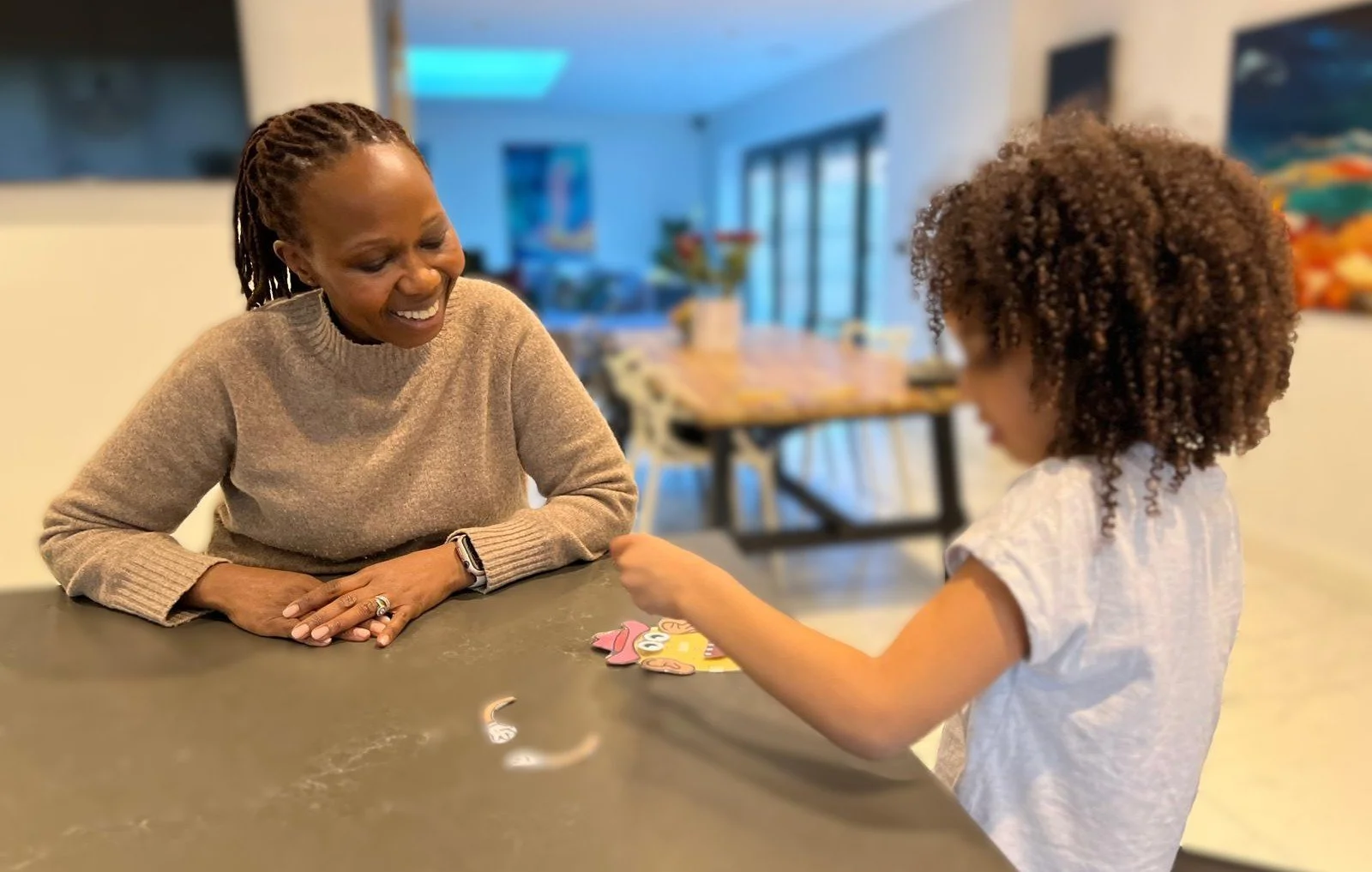
ABA works by breaking skills down into smaller, achievable steps, allowing children and adults to experience success, build confidence and make steady progress over time.
Support is always guided by data, observation and ongoing review to ensure it remains effective and appropriate.
ABA can support the development of:
• Communication and language
• Learning and academic skills
• Independence and daily living skills
• Focus, motivation and engagement
• Motor coordination
• Eating, feeding and self-care skills
PBS within an ABA approach
Positive Behaviour Support (PBS) principles are often used within ABA informed practices to promote wellbeing, reduce barriers to learning and support positive behaviour change. This means focusing on understanding behaviour, teaching alternative skills and creating supportive environments rather than simply reacting to behaviour.
ABA is taught using a range of evidence-based strategies chosen carefully for each learner, including:
• Teaching within everyday routines and natural environments
• Positive reinforcement to encourage learning
• Prompting and gradual fading to build independence
• Pairing to build trust, motivation and positive relationships
• Structured teaching approaches where appropriate
• Ongoing data collection and progress review